Britain's Mobile Slot Landscape: How Side Bet Options Shape Progressive Payout Frequencies
Written by Gisela Lange · Nov 13, 2026
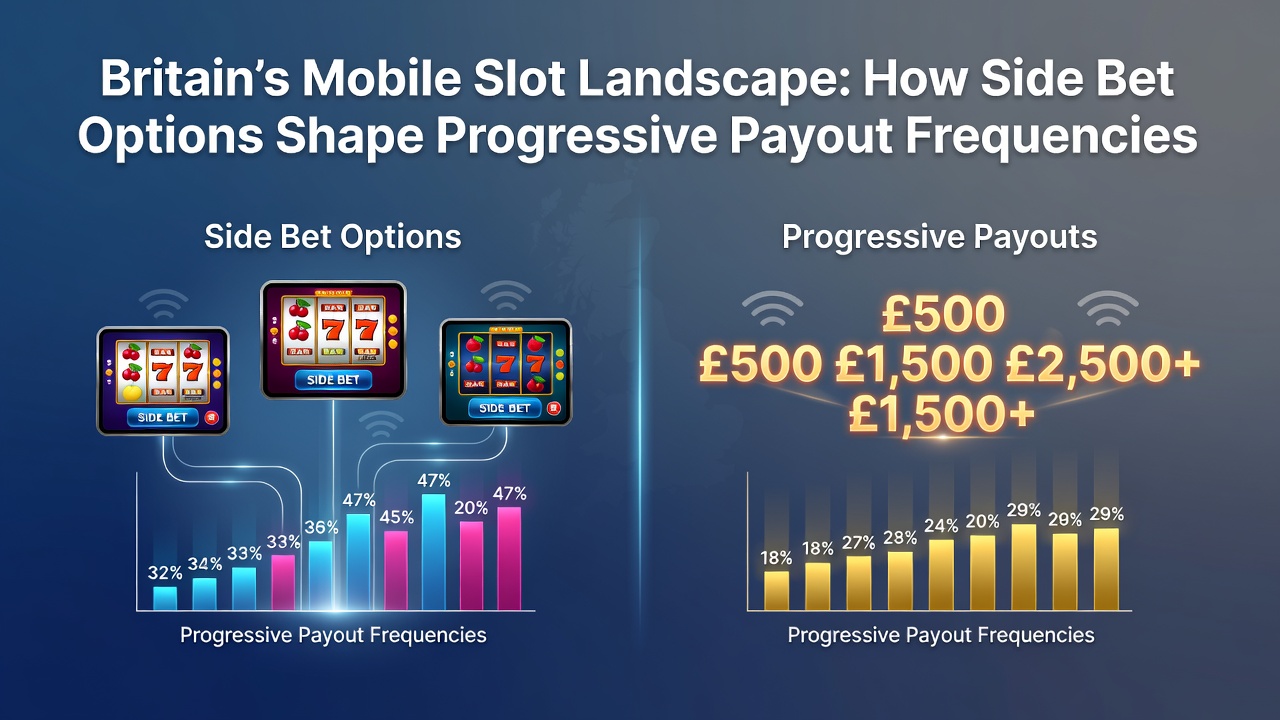
Britain's Mobile Slot Landscape: How Side Bet Options Shape Progressive Payout Frequencies
Britain's mobile slot market has expanded steadily through 2025 and into 2026, with operators adjusting game mechanics to accommodate player preferences on smartphones and tablets. Side bet options sit at the center of this shift because they modify how progressive jackpot pools accumulate and release funds across thousands of connected devices. Data from industry tracking services shows that titles offering optional side bets record measurable differences in payout intervals compared with standard progressive setups.
Side Bet Mechanics in Mobile Environments
Side bets function as separate wagers that players activate alongside the base spin, and these features often feed directly into progressive meters at higher contribution rates. Mobile platforms display these choices through simple toggle buttons or swipe menus, which keeps the interface responsive during short play sessions. Researchers at the University of Nevada Gaming Research Center documented that contribution percentages from side bets range between 5 and 15 percent of the total stake in many European-facing titles, a figure that alters the speed at which seed amounts grow after each round.
Operators integrate these mechanics because regulatory frameworks in multiple jurisdictions require transparent odds displays, and mobile developers have responded by embedding real-time counters that update jackpot values after every qualifying bet. This transparency affects player decisions on whether to engage the side feature, and aggregate logs indicate that participation rates climb when the displayed progressive grows beyond a visible threshold.
Progressive Payout Patterns Across Devices
Progressive jackpots linked across mobile networks release funds when specific symbol combinations land, yet the frequency of those releases changes when side bet participation increases overall pool contributions. Figures from the European Gaming and Betting Association reveal that networks with elevated side bet uptake trigger payouts at intervals that average 12 to 18 percent shorter than networks relying solely on base game contributions. The difference appears because each side bet adds an incremental amount to the meter without requiring an increase in the main wager size.
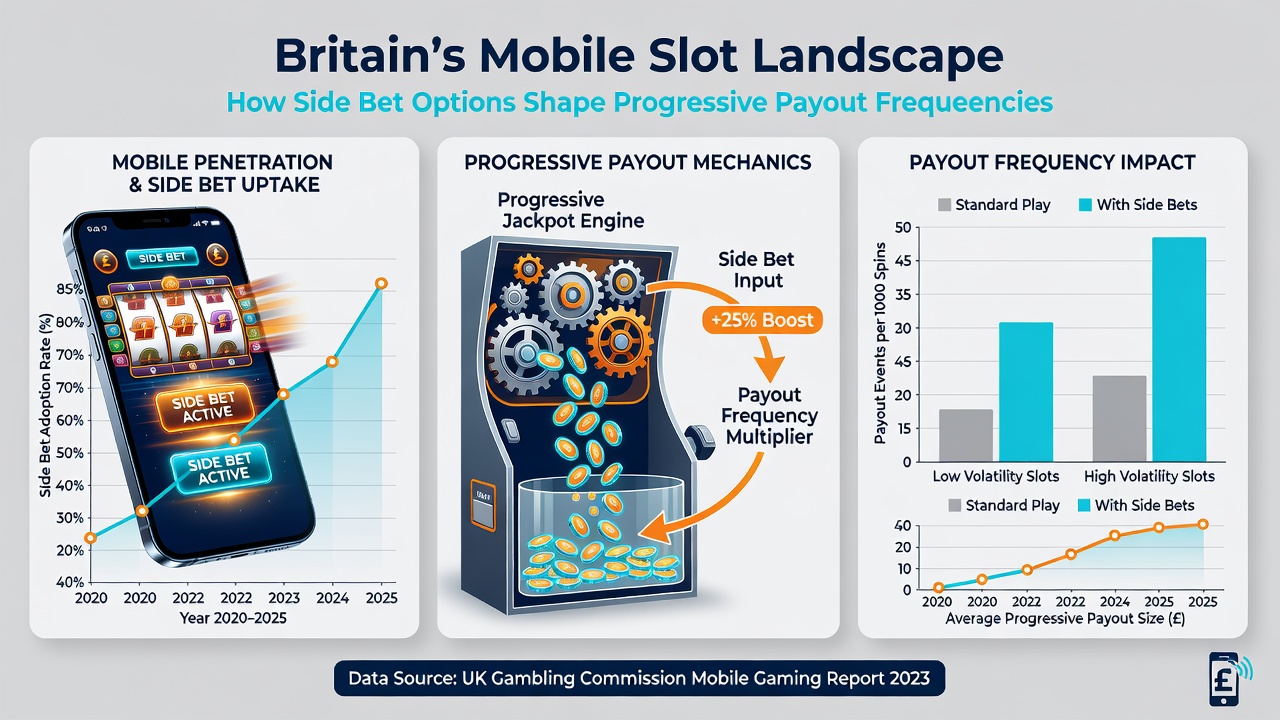
November 2026 marks a period when several operators plan to refresh their mobile libraries ahead of seasonal traffic peaks, and early test data suggests that updated side bet interfaces will further refine contribution splits. Those adjustments could compress payout windows even more if adoption follows patterns observed in previous rollout cycles. Observers note that smaller regional networks sometimes merge into larger progressive pools during these updates, which magnifies the effect of side bet contributions on overall frequency.
Player Behavior and Contribution Data
Session logs collected from UK-facing mobile apps show that users who activate side bets maintain longer play sequences on average, which in turn feeds more funds into linked progressives. Academic papers from the Australian Gambling Research Centre examined similar markets and found that optional side features correlate with steadier meter growth rather than sporadic spikes. The steady accumulation reduces the time between jackpot hits without altering the underlying random number generator parameters.
Device-specific telemetry further indicates that tablet users engage side bets at slightly higher rates than smartphone users, possibly because larger screens make the additional wager prompt easier to notice. This variation produces minor but consistent differences in payout cadence between the two device categories within the same progressive network.
Technical Implementation and Network Effects
Backend systems track side bet participation through separate ledgers that route portions of each wager into dedicated progressive tiers. These tiers often operate independently from base game meters, allowing operators to calibrate release probabilities while remaining compliant with technical standards issued by testing laboratories. When participation in one tier rises, the combined pool reaches trigger thresholds more rapidly, and this dynamic has been quantified in reports issued by the Canadian Centre for Gaming Research.
Cross-border pooling arrangements add another layer because contributions from British mobile sessions mix with those from other regions. The resulting blended pool experiences payout frequency shifts that reflect the proportion of side bet activity originating from each market. Analysts track these proportions through anonymized transaction streams that highlight how regional preferences influence overall release timing.
Conclusion
Britain's mobile slot environment continues to evolve around side bet mechanics that directly influence how progressive pools accumulate and distribute prizes. Available data from multiple research bodies demonstrates clear links between side bet participation rates and the intervals at which jackpots pay out, and operators adjust contribution models accordingly. As new library updates arrive in late 2026, continued monitoring of these patterns will clarify whether current trends persist or shift under changing market conditions.