Global Cultural Icons in Reel Design: Evolution Beyond Traditional Payline Structures
Written by Anna Berger · Oct 16, 2026
Global Cultural Icons in Reel Design: Evolution Beyond Traditional Payline Structures
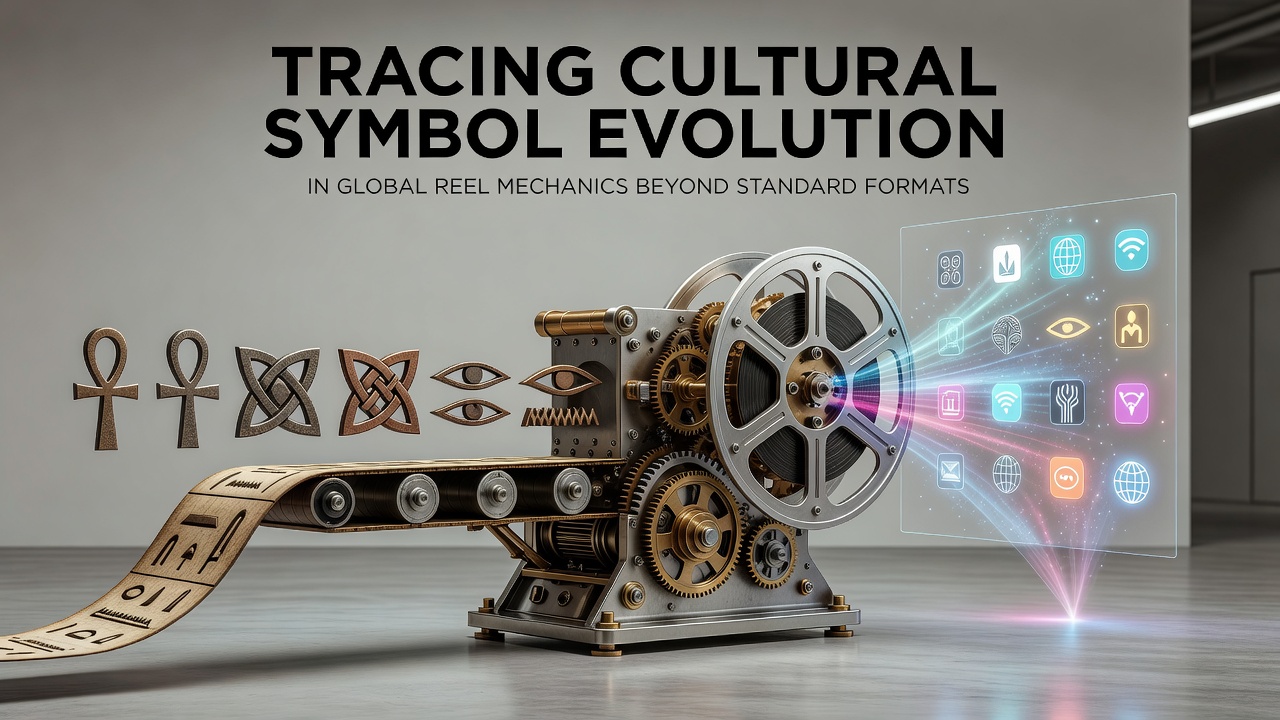
Symbols drawn from ancient traditions and regional folklore have moved through successive generations of reel-based games, shifting from static icons on fixed lines to dynamic elements that interact with cluster systems, cascading sequences, and multiplier frameworks. Observers note that developers began incorporating these motifs in the late twentieth century when electronic machines replaced mechanical reels, allowing greater flexibility in animation and payout logic.
Early Integration of Regional Motifs
Archaeological records and industry timelines show Egyptian scarabs and pharaoh portraits appearing alongside basic three-reel formats during the 1990s, while Chinese dragons and lanterns entered Asian markets through five-reel video titles released around the same period. Data from trade publications indicate that these choices reflected local player preferences rather than universal design standards, with operators in different jurisdictions selecting imagery that resonated with cultural familiarity. Researchers at the University of Nevada, Las Vegas documented how such symbols initially served as simple substitutes for fruit or bar icons yet gradually acquired special roles, such as acting as wilds or scatters that triggered additional rounds.
Mechanics That Extend Symbol Function
Cluster-pay structures, introduced commercially in the early 2010s, removed the requirement for symbols to align on predetermined lines and instead rewarded groups of adjacent matching icons regardless of position. This change permitted designers to embed larger cultural sets, for example Mesoamerican calendars or African tribal patterns, into grids that expand or contract during play. Cascading mechanics further altered symbol behavior by removing winning combinations and allowing new icons to fall into place, creating chain reactions that could incorporate narrative sequences drawn from folklore. Studies published by the Gaming Laboratories International confirm that these systems increased symbol visibility across multiple spins without altering regulatory return-to-player calculations.
Cross-Regional Adaptations Observed in 2026
By October 2026, several international markets had registered growth in titles that layer symbols from multiple heritages within single games. Australian operators reported increased deployment of Aboriginal dot-painting motifs alongside Polynesian navigation charts in games using expanding-grid formats. Canadian regulatory filings from the Alcohol and Gaming Commission of Ontario noted parallel experiments with First Nations animal crests appearing in avalanche-style reels. European suppliers, meanwhile, adapted Nordic runes and Celtic knots into sticky-symbol mechanics that persist across cascades, a technique verified through independent testing reports.
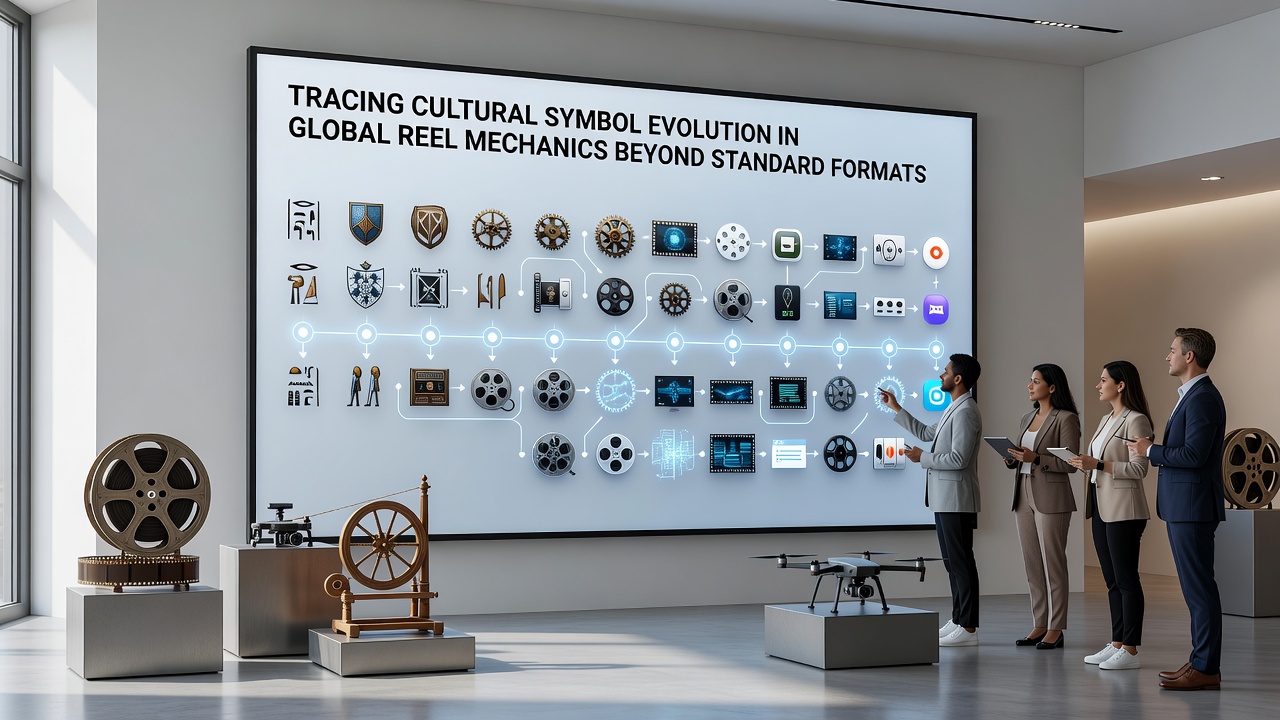
These adaptations rely on modular artwork pipelines that allow regional teams to swap icon sets while preserving underlying mathematics. Figures released by the European Gaming and Betting Association reveal that such localization efforts reduced development cycles by approximately 30 percent compared with earlier bespoke designs. The same data set indicates that player retention metrics remained stable when cultural accuracy was verified through consultation with community representatives.
Symbol Behavior in Multiplier and Bonus Frameworks
Multiplier ladders attached to specific cultural icons introduce additional layers of interaction. Japanese manufacturers have placed koi fish symbols that accumulate values before applying a collective multiplier, while South American studios embed condor and jaguar figures that merge during free-round sequences. Academic papers from the National University of Singapore examined how these layered functions maintain mathematical balance across varying volatility profiles. The research highlights that symbol evolution now extends beyond visual representation into procedural generation rules that govern how icons combine or transform under defined conditions.
Regulatory and Technical Considerations
Testing laboratories in multiple jurisdictions require documentation of symbol weighting and animation timing to ensure fairness. Reports from the New Zealand Department of Internal Affairs detail certification processes that verify cultural symbols do not inadvertently alter hit frequencies. Similar frameworks exist in Singapore and Macau, where authorities mandate that reel mechanics remain independent of thematic overlays. Industry associations such as the Asia Pacific Gaming Congress have hosted sessions in recent years examining best practices for respectful representation without affecting game integrity.
Conclusion
Documentation from testing houses and academic sources shows that cultural symbols have progressed from decorative elements to functional components within advanced reel architectures. Global operators continue to refine these integrations through localized artwork and shared technical standards, maintaining consistent mathematical models while accommodating diverse visual traditions. Continued monitoring by regulatory bodies across regions supports ongoing adaptation of these mechanics in line with established compliance requirements.