Reel Systems Advance: The Move Away from Traditional Levers Toward Touchscreen Technology
Written by Anna Berger · Oct 17, 2026
Reel Systems Advance: The Move Away from Traditional Levers Toward Touchscreen Technology
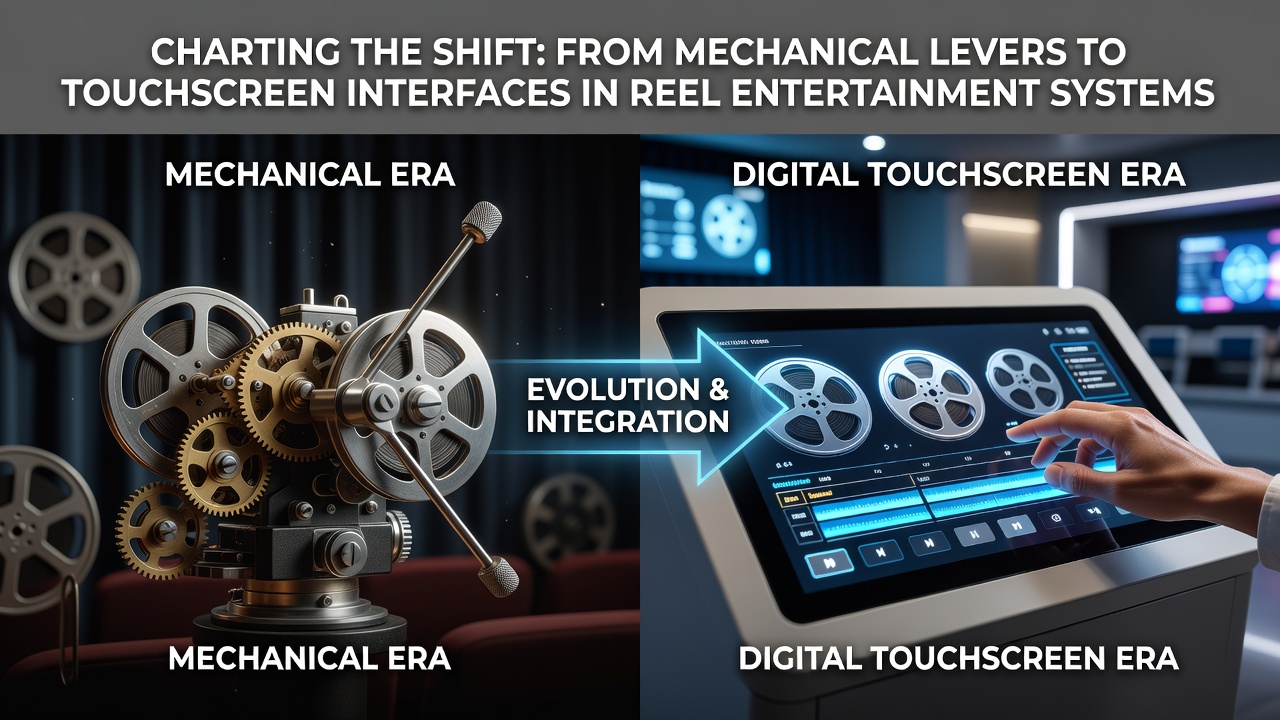
Reel entertainment systems began with heavy cast-iron cabinets and large metal levers that players pulled to set three or more reels spinning, a design that dominated from the late nineteenth century through the middle of the twentieth; those machines relied on springs, gears, and stops to determine outcomes, and operators serviced them by opening side panels to adjust payout percentages or replace worn parts. Over subsequent decades manufacturers introduced electric motors and stepper reels, yet the lever remained the primary activation method until electronic video displays entered casino floors in the 1970s.
Early Mechanical Designs and Their Limitations
Observers note that the first commercially successful reel machines, such as the 1899 Liberty Bell, used a cast handle connected to a ratchet mechanism that advanced each reel one position at a time; when the handle returned to its resting point, a series of stops aligned symbols and determined whether coins dropped into the payout tray. Data from equipment records kept by early operators show that these machines averaged between 300 and 500 pulls per hour before mechanical fatigue required maintenance, while coin jams and misaligned reels frequently interrupted play sessions. By the 1950s several firms added electric coin acceptors and small motors to reset reels automatically, yet the lever still served as the sole player interface and continued to limit speed and reliability.
Electromechanical Transition and Video Introduction
Engineers at several American manufacturers began replacing the lever with push buttons during the 1960s, connecting solenoid banks directly to credit meters so that a single press could initiate a spin; this change reduced physical strain on players and allowed higher cycle rates. Video reel simulations appeared shortly afterward when microprocessor-controlled cathode-ray tubes replaced physical reels entirely in certain models, removing the need for any mechanical handle while preserving the familiar three-reel layout on screen. Trade publications from that period record that casinos in Nevada and New Jersey installed the first video units in 1976, and within five years the same cabinets offered multi-line betting options that had been impossible on purely mechanical frames.
Touchscreen Adoption and Interface Refinements
Resistive touch overlays entered reel cabinets in the early 1990s, allowing players to select paylines and wager amounts directly on the glass rather than through rows of physical buttons; manufacturers paired these surfaces with improved credit displays and animated symbol sequences that updated in real time. By the mid-2000s projected-capacitive panels replaced resistive films in most new installations because they registered lighter finger pressure and supported multi-touch gestures for bonus rounds. Industry reports compiled by the Nevada Gaming Control Board indicate that touchscreen-equipped machines accounted for more than 85 percent of floor inventory in major resorts by 2015, while lever-only units had been relegated to museum displays or limited nostalgic sections. In October 2026 several suppliers demonstrated cabinets that combine 4K OLED touch layers with haptic actuators, enabling players to feel distinct vibration patterns when symbols land or when bonus features trigger.
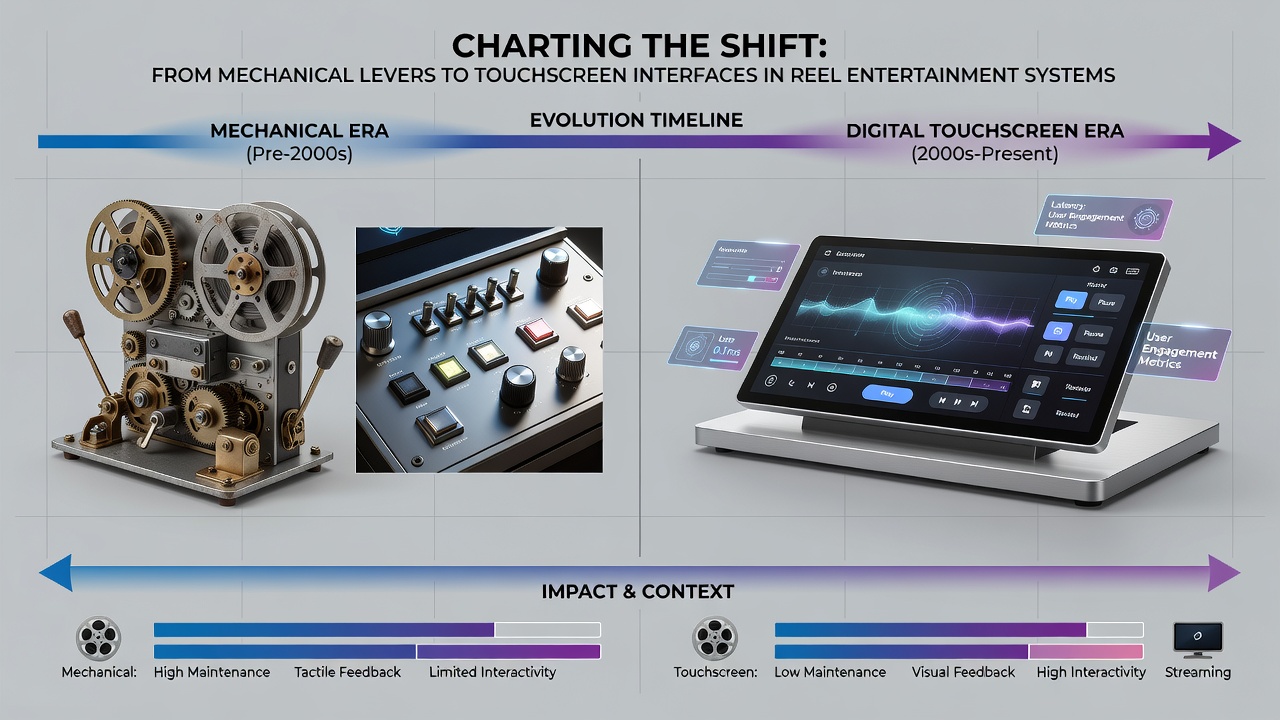
Researchers at technical universities have measured input latency on successive touchscreen generations and found that average response times dropped from 120 milliseconds in 1998 models to under 20 milliseconds in current production units; these reductions allow faster repeated spins and reduce perceived lag during interactive bonus sequences. Observers also record that accessibility features such as adjustable button sizes and voice prompts became standard once software rather than hardware defined the control layout, permitting operators to reconfigure the same cabinet for different regulatory markets without mechanical redesign.
Regulatory and Operational Impacts
Gaming authorities in multiple jurisdictions updated technical standards to address touchscreen reliability and player protection; the Gaming Standards Association published interface certification protocols that require redundant touch sensors and automatic calibration checks. Data collected by casino operators show that average spins per hour rose from roughly 400 on lever machines to more than 800 on contemporary touchscreen models, while downtime attributed to mechanical failure declined sharply once moving parts were eliminated from the player interface. Maintenance logs further indicate that service calls shifted from gear replacement and lever spring adjustments to software updates and touch-panel cleaning routines.
Current Landscape and Future Directions
Manufacturers continue to integrate larger touch surfaces that span the entire front of the cabinet, allowing dynamic rearrangement of controls for different game themes without physical button swaps. Studies published by academic research groups document player interaction patterns on these expansive screens and note that gesture-based commands, such as swiping to select reel stop positions in certain skill-influenced titles, appear with increasing frequency. In October 2026 several European and Asian suppliers previewed prototypes that embed pressure-sensitive layers beneath the glass, enabling variable bet sizing based on how firmly a player taps designated zones.
Conclusion
The progression from cast-iron levers to multi-touch digital interfaces reflects successive waves of electromechanical, video, and software innovation that have altered both the physical form and operational capabilities of reel entertainment systems. Equipment records, regulatory filings, and engineering measurements demonstrate measurable gains in speed, reliability, and accessibility while preserving the core reel-spin experience across generations of hardware. Continued refinement of touch technology, combined with emerging haptic and display advances, indicates that the interface evolution documented here will persist as manufacturers respond to technical standards and player expectations in regulated markets worldwide.